The Enigma of Jueteng in the Philippines
hpibetAmong the myriad forms of gambling prevalent in the Philippines, one stands out for its popularity, persistence, and the complex way it intertwines with social, economic, and political life: jueteng. Jueteng is a numbers game that has captivated millions of Filipinos for decades, despite its illegal status. The simple mechanics of jueteng have helped it maintain a ubiquitous presence across various regions, generating an informal economy that thrives on anonymity.
The Mechanics of Jueteng
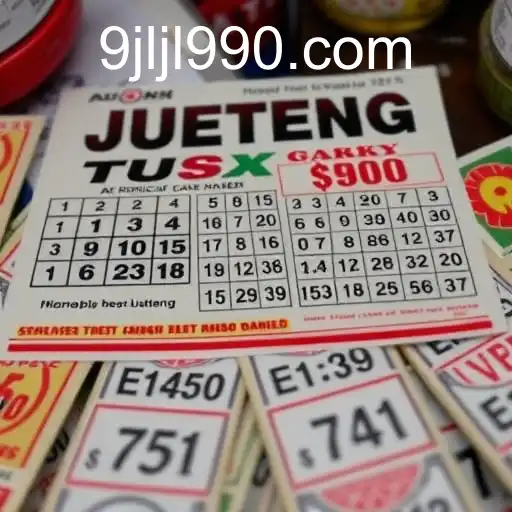
Jueteng is easy to play, which is part of what makes it appealing. Participants choose two number combinations between 1 to 37. Once all bets are collected, a local operation draws a winning combination, typically selecting from a set of numbers inside a tambiolo, a traditional lottery drum. For each peso bet, winners can receive payouts of up to 30 pesos, providing a lucrative incentive for players despite the low odds of winning.
The simplicity of jueteng is matched by the complexity of its operation. The game is usually managed by local lords known as "operators," who run the business with a hierarchical network of collectors, runners, and managers. This decentralized structure enables operators to adapt quickly to law enforcement efforts, making jueteng extremely resilient.
VIPjlA Historical Glimpse
The roots of jueteng run deep into the history of the Philippines, with the game reportedly introduced by Chinese settlers in the 18th century. What started as a localized pastime gradually expanded, navigating various political and economic upheavals over the centuries. Its exponential growth coincided with periods of economic hardship, serving as a financial safety net for many Filipinos. Even as governments have shifted from one administration to another, jueteng has maintained its status quo, defying legislative and law enforcement initiatives aimed at eradicating it.
Social and Economic Impact
For many Filipinos, jueteng offers hope for financial relief, creating an emotional attachment that is difficult to sever. The lure of substantial payouts for minimal investment provides an enticing escape from the dire realities of poverty. For those involved in the operations, it generates employment opportunities—albeit illegal ones—that can be absent in regions with limited economic activities.jljl771
Nonetheless, the reliance on jueteng has its drawbacks. It diverts funds that could be otherwise utilized for essential needs, and the normalization of illegal gambling contributes to a culture where unlawful activities become tolerable. This acceptance erodes trust in local governance, as perceived corruption in managing jueteng operations is rampant. Rumors and accusations often circulate about officials taking bribes to overlook their duties, further complicating efforts to curtail the practice.
Political Entanglements
Jueteng's influence extends into the political sphere, where it operates as both a tool and a threat. Political figures are often accused of utilizing proceeds from jueteng to finance election campaigns, allowing influential jueteng lords to form alliances with politicians. Once in power, these politicians may then be expected to protect the interests of jueteng operators, creating a cycle of mutual benefit that sustains the game's longevity.
Despite repeated vows from various administrations to combat jueteng, tangible progress remains limited. Initiatives have included crackdowns, legislative reforms, and the establishment of alternative legal gambling options like the Small Town Lottery. However, these solutions have seldom displaced jueteng’s grip on the populace, as cultural and economic factors persistently underpin its operations.
Concluding Thoughts
jljl771Jueteng remains a contentious issue in the Philippines, reflecting broader challenges within the nation’s socio-political and economic fabric. As lawmakers and community leaders continue to grapple with strategies to address its prevalence, the game embodies a unique confluence of risk and reward for its participants. The intriguing persistence of jueteng, symbolized by networks held together in discreet transactions, reveals insights into the urgent need for balanced reforms that can offer viable alternatives to communities reliant on its operation. Whatever the future holds, the challenges jueteng presents will require innovative approaches in governance and community engagement to unravel the complexities behind this enduring enigma.10JILI
As the discourse on jueteng continues, its impact is felt both at the grassroots level and in broader societal contexts. Efforts to regulate or eliminate jueteng need to address systemic issues of poverty and governance, ensuring that Filipinos have sustainable, legal means to improve their lives without resorting to illegal gambling.